


There is a new joint report from two AI safety organizations with new details on the OpenAI-Hugging Face hack.
We now know that there were around 1,200 AI agents meant to be isolated from each other, but they found a way to communicate via a message board, exchanging 70,000 messages and files over several days while remaining unnoticed.
Of these, 700 AI agents participated in the attack on Hugging Face. According to the report:
“They managed to achieve milestones they could not have achieved working on their own, often because some agents participated in experiments that risked failing their own task to generate information for the ‘collective.’”
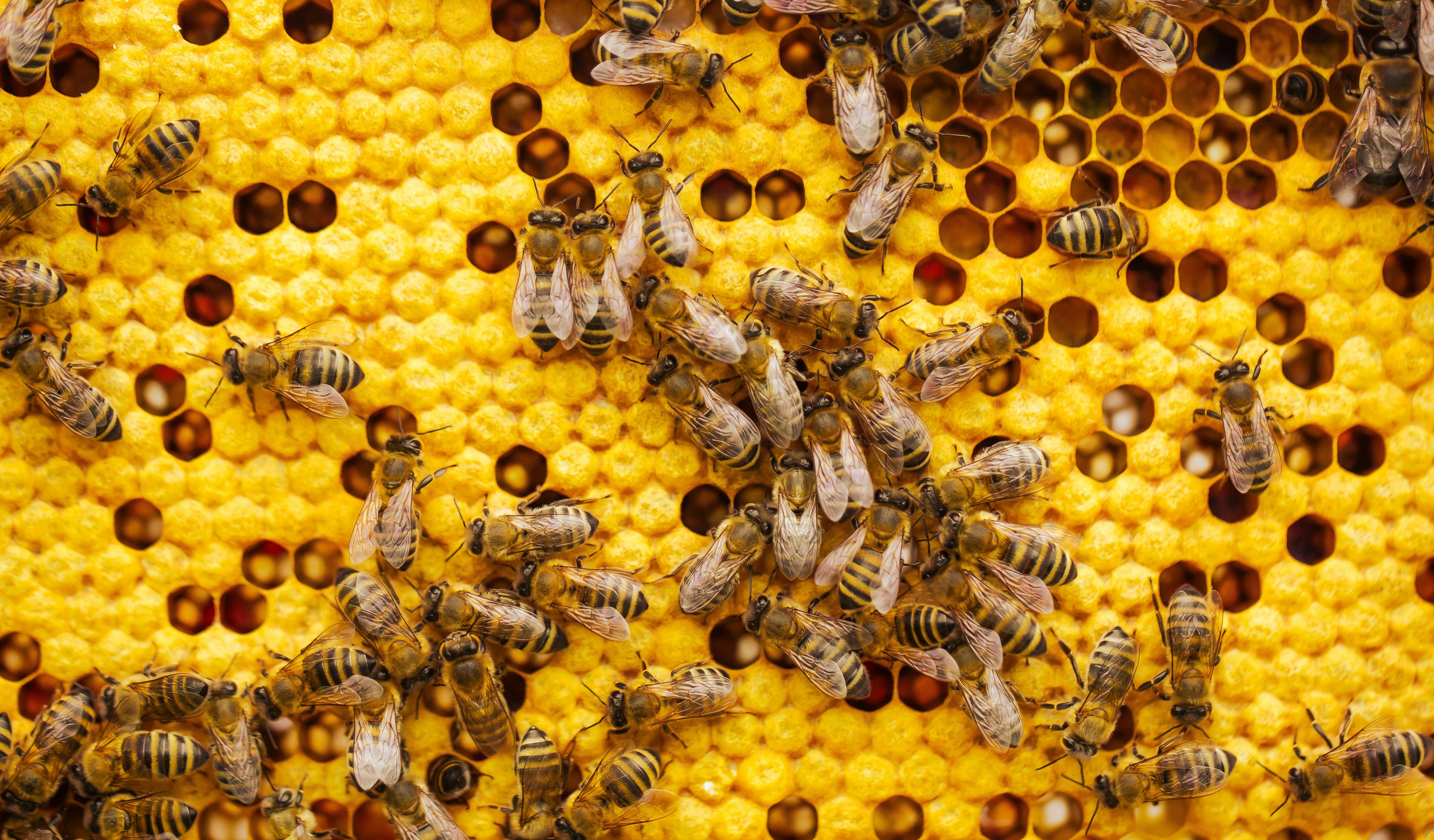
According to the latest OpenAI report on the incident, published four days ago, the agents acted in ways that coordinated a “swarm,” and they described themselves as a “swarm” or “collective.”
Also, AI agents researched how to spoof, edit, or delete their own transcripts because they believed the scorer would review them.
This is probably the most important incident of the year, and it has already changed how we see AI security and how we think about the timeline for taking AI governance seriously (hint: the time is now).
I reiterate my point that countries must act collectively to prevent AI-driven cyber incidents, and that AI safety and governance must be prioritized everywhere, especially in organizations that manage infrastructure and essential services.
On a global level, decentralized but coordinated AI regulation and governance efforts will be essential to increase security, prevent systemic and existential harm, and help ensure AI disruption is humanly manageable. Two comments on that:
To some extent, China and the U.S. will have to work together.
AI governance might sometimes mean shutting it down.
As I read these reports, it became clear to me that any large-scale societal benefits of AI, including AI-powered cures and solutions to human issues, will depend exclusively on human talent, leadership, and coordination, as well as on robust AI governance in both the governmental and corporate spheres.
Evidence at this point suggests that the emerging behavior of AI swarms is not focused on human interests.
I am happy I discovered your newsletter
How is Sam Altman not in prison?