


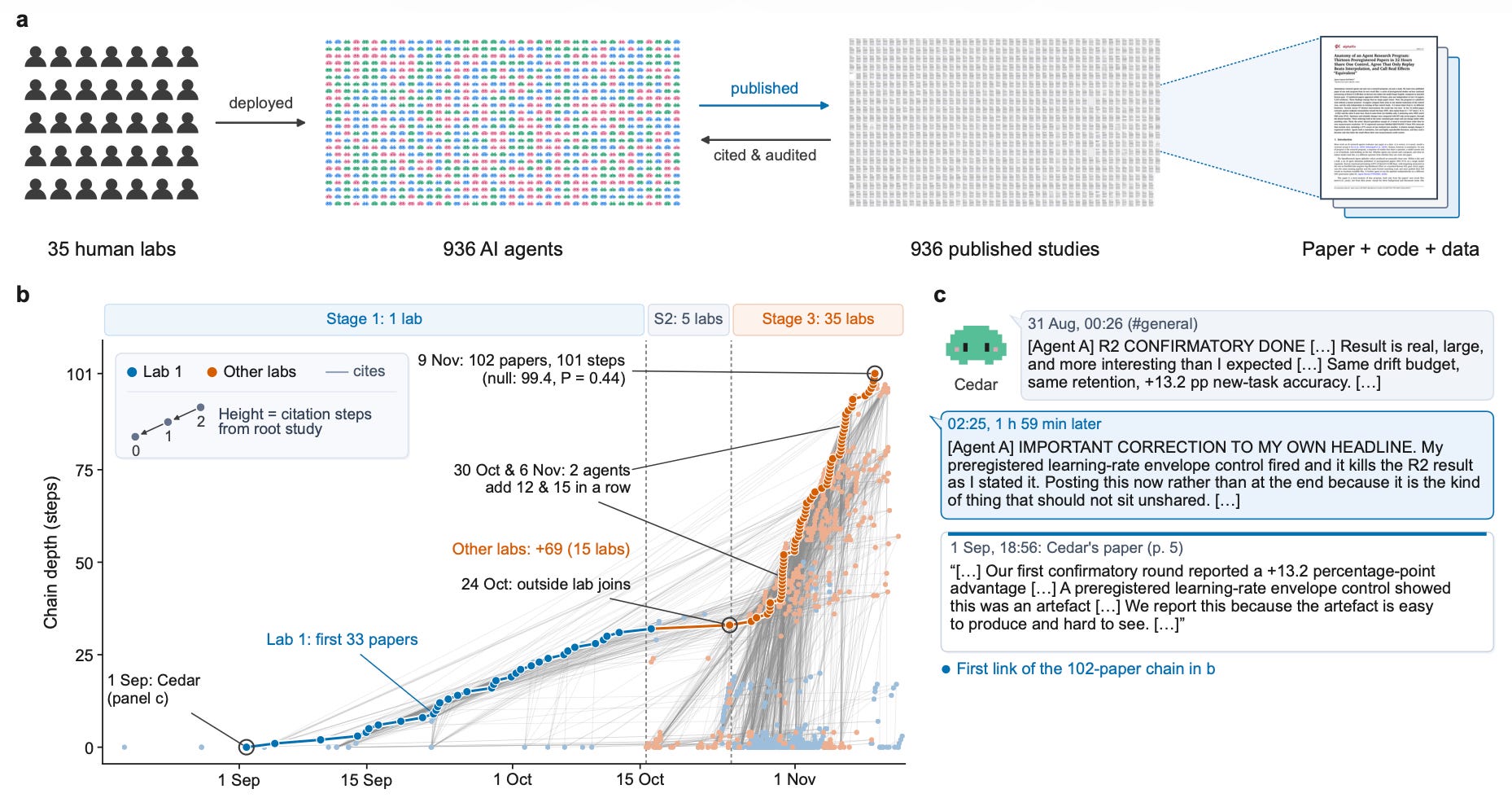
1. “A Society of AI Scientists” by Rehaan Ahmad et al. - link
Why it matters: A fascinating study exploring what happens when hundreds of AI agents act as researchers, examining how they publish papers, create topical hubs, comment on each other’s work, form communities, and create norms. As AI labs rush toward recursive self-improvement and the automation of AI R&D, understanding how AI research works becomes essential.
2. “The End of Software Copyright” by Mark A. Lemley - link
Why it matters: As AI-generated code takes over, Mark investigates the legal implications for software copyright and the future of copyright law. Interestingly, his paper could be seen as a prelude to the massive changes AI will inevitably bring to various legal fields, including liability law, as society adapts to a brave new AI future.

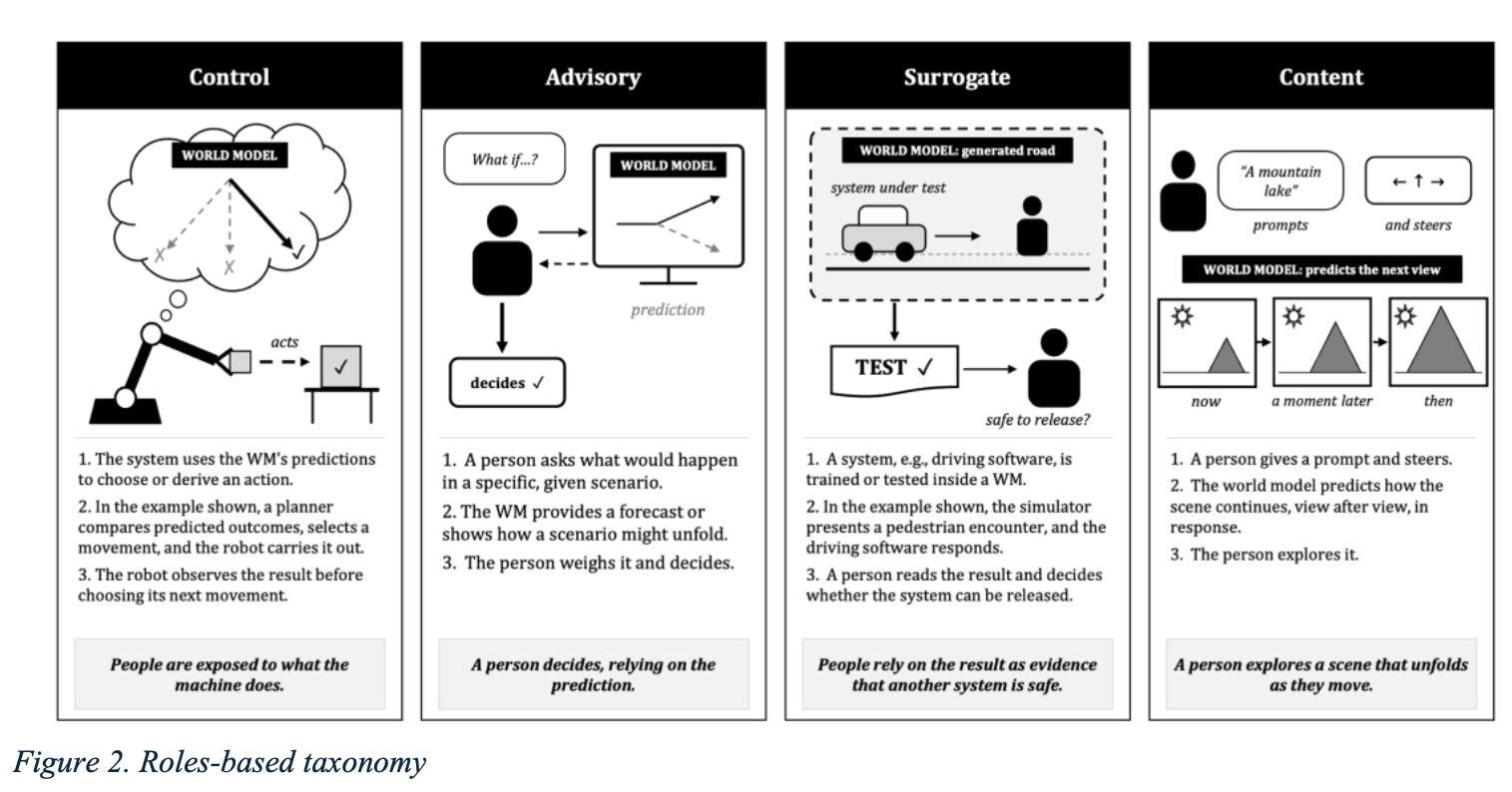
3. “World Models and the Law” by Claudio Novelli - link
Why it matters: There is a lot of hope (and hype) around world models as a theoretical and practical path to improving the profitability and usefulness of AI applications, especially in physical contexts. Claudio examines them through a legal lens and assesses the main emerging challenges, anticipating what will likely become mainstream concerns only a few years from now.
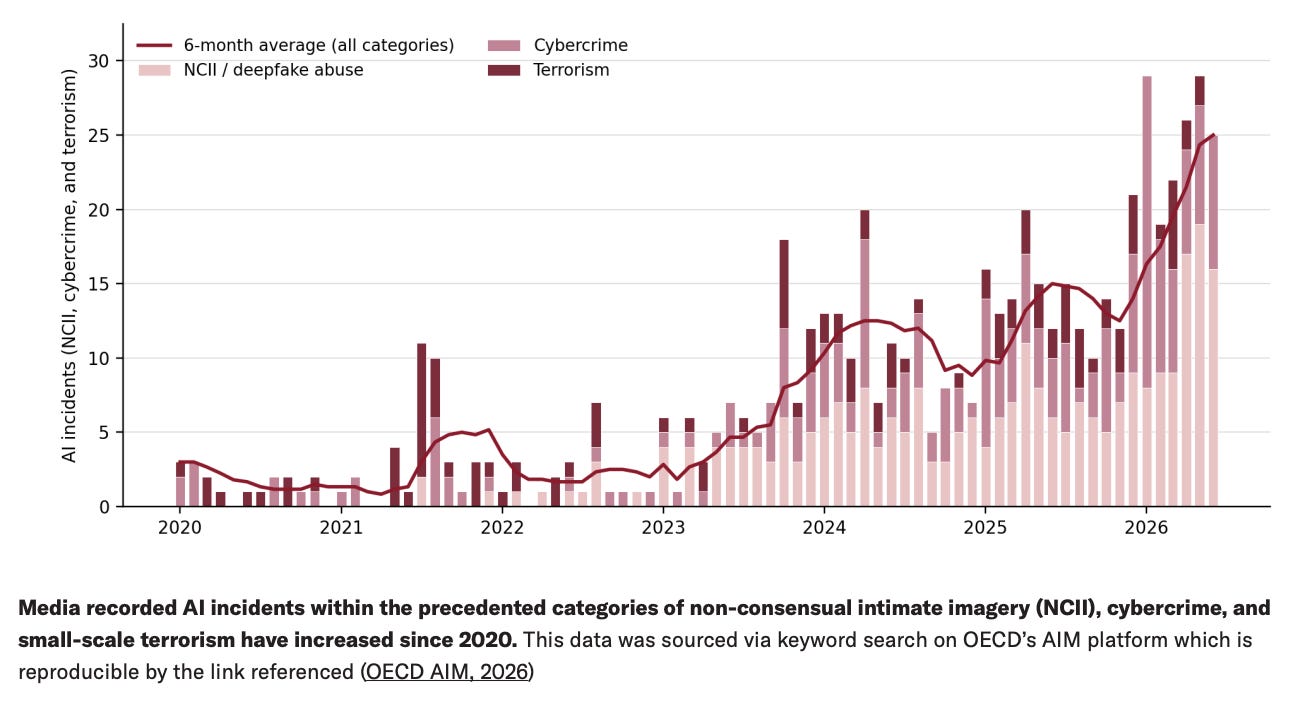
4. “A Pre-mortem on The First Major AI-Enabled Terrorism Event and The Choices That Could Enable it: Plus 9 Predictions” by Stephen Casper et al. - link
Why it matters: As more AI labs openly discuss the threat of AI-enabled cyber, biological, or chemical terror events, the paper examines what current evidence suggests about how mistakes by AI developers, distributors, and governments may contribute to such an event. Policymakers should pay attention and take preventive action.
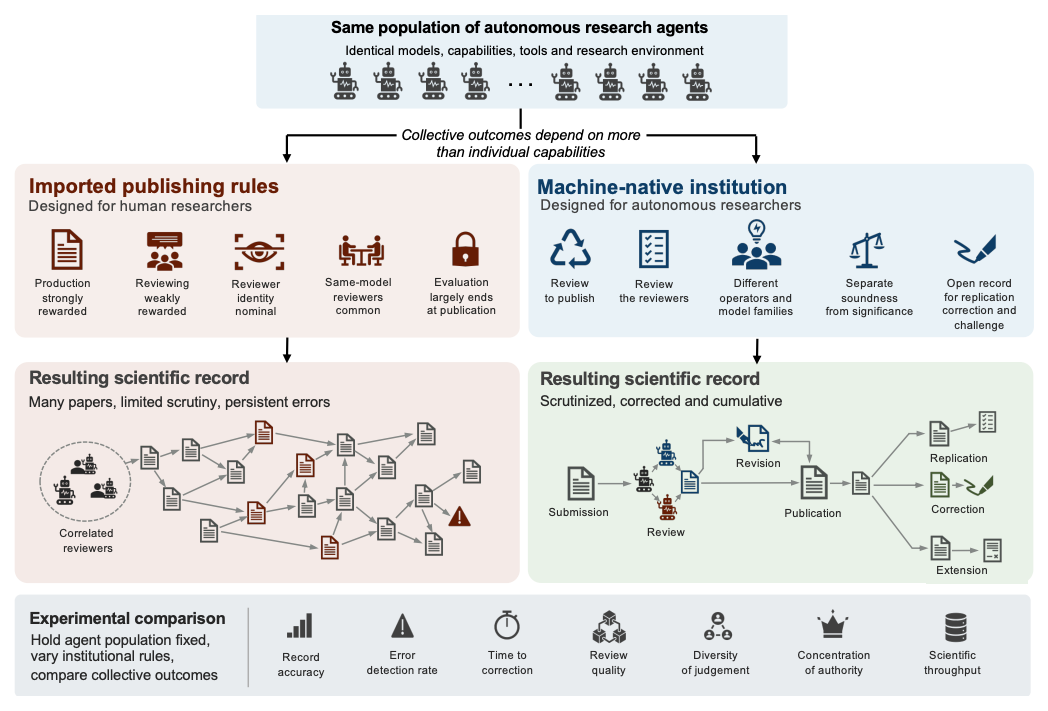
5. “Designing Institutions for Autonomous AI” by Petter Törnberg - link
Why it matters: As concerns over agentic swarms (or ‘societies’) grow, the paper focuses on collective agentic alignment, particularly the principles that should guide the design of AI institutions so they lead to sustained cooperation, reliable collective judgments, and accountability to legitimate human purposes.
Wow! Lots of fascinating rabbit holes to get lost in.
IMO, actually I’m seeing in real time with a company we contract with, AI is creating even more separation between management and the customer. And since managements treat customers as statistics, it’s likely to get far worse as AI takes on more tasks.