

McDonald's AI Ad Fail
Most people and companies have not realized it yet, but there is a reason why AI-generated ads are widely hated | Edition #257

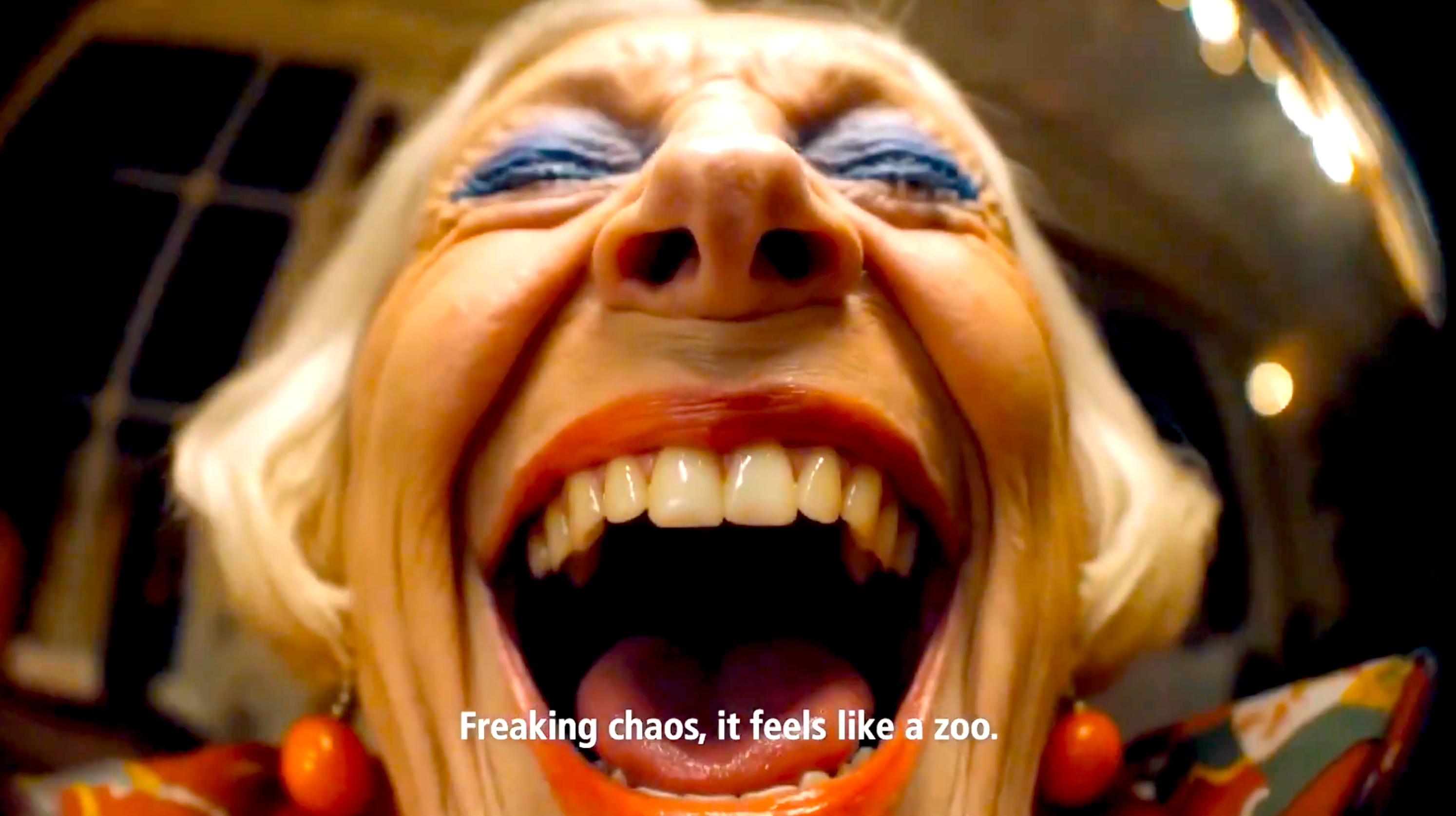
A few days ago, McDonald’s released an AI-generated Christmas ad, and the public's reaction was so negative that it had to turn off comments on YouTube and eventually remove it altogether.
Most people and companies have not realized it yet, but there is a reason why AI-generated ads are widely hated.
Before I continue, please watch the 45-second ad yourself:
The whole ad is a frenetic and chaotic sequence of AI-generated scenes related to Christmas.
First, notice how each scene does not last more than 1 second.
Yes, you read that right, 1 second. They are giving our brain 1 second to “appreciate” and understand the meaning of each scene.
In one second, the brain does not have time to absorb anything, so it feels biologically irritating to watch. It is uncomfortable and almost nauseating, like when you are trying to read inside a fast-moving car.
From a marketing perspective, it reminds us of strategic attempts at unconscious manipulation with subliminal messages rather than a conscious effort to create something visually interesting, meaningful, or entertaining.
Also, each scene has an absurd or surprising element, but because it is so fast, the brain does not have time to properly process it, so it feels like an accelerated TikTok scroll experience.
There is no explicit continuity, no story, and no storytelling at all. The unifying element is the message that “it is the most terrible time of the year,” as the lyric repeats.
Second, McDonald’s has not read the room or done its homework on the AI zeitgeist (and its executives have certainly not been reading this newsletter). Its marketing team and the production studio have likely embraced peak “AI-first” hype and have likely been scrolling Meta's Vibes and OpenAI's Sora 2 too much when looking for references. Why?
There is currently a strong pro-human movement in art and entertainment, which has certainly been influenced by the pile of AI copyright lawsuits against AI companies, as many have used copyrighted works to train AI without obtaining consent or compensating the authors.
Even though many people are embracing AI in the creative process, I would say the majority still see it as an auxiliary tool that should not replace, minimize, or obfuscate the human touch.
Regardless of the tools being used, humans must reign over the creative process, and the outcome should make it clear.
This ad is the full opposite: it is a highly chaotic AI-generated ad where the human element is suffocated under layers of AI frenzy.
Each 1-second scene, if amplified or extended, could likely have carried a meaningful message or story. Perhaps a narrator telling a true story about something terrible that happened during Christmas. Perhaps something that could create some level of human connection with the public.
But there was nothing.
It seems that the ad wants to communicate with machines capable of processing a frenetic sequence of 1-second-long scenes (maybe AI agents will enjoy eating hamburgers and fries?).
Or maybe this was an extremely deep and critical ad connecting the ultra-processed nature of McDonald’s food with the ultra-processed nature of AI-generated content, both of which defy human wholesomeness, the former from a physical perspective, the latter from a mental one?
This would have been genius, although it does not seem to be the case.
The studio behind it reportedly said that they barely slept for weeks while writing the AI prompts and refining the shots.
I believe them; it was probably difficult to sleep while creating this marketing campaign.
Not only because of the work overload and the usual end-of-the-year pressure, but also because their brains likely had difficulty calming down at night after spending the day consuming high-speed, synthetic, chaotic, and meaningless AI-generated, humanless clips to select a few for this ad.
This ad feels like the epitome of AI sloppiness in 2025.
However, there is an optimistic turn:
The overload of mediocre AI-generated content we have been experiencing over the past three years is already starting to fuel a new wave of human excellence in various fields.
Hopefully, we will see this new humanism rise in 2026.
As the old internet dies, polluted by low-quality AI-generated content, you can always find pioneering, human-made thought leadership here. Thank you for helping me make this newsletter a leading publication in the field.
Given the Luigi Mangione trial proceedings, I'd suggest "Hiding out in McDonalds" is not their best ad work either.
I think this post is a bit extreme. I'm not sure each scene is 1 second long, but even if it was, my brain can follow what the ad was intended to do, and like someone said, it was predictable. Let's not evil-izing everything done with AI. If you do not agree with the idea or execution is one thing, but implying this is some kind of indoctrination or subliminal message is too much.