


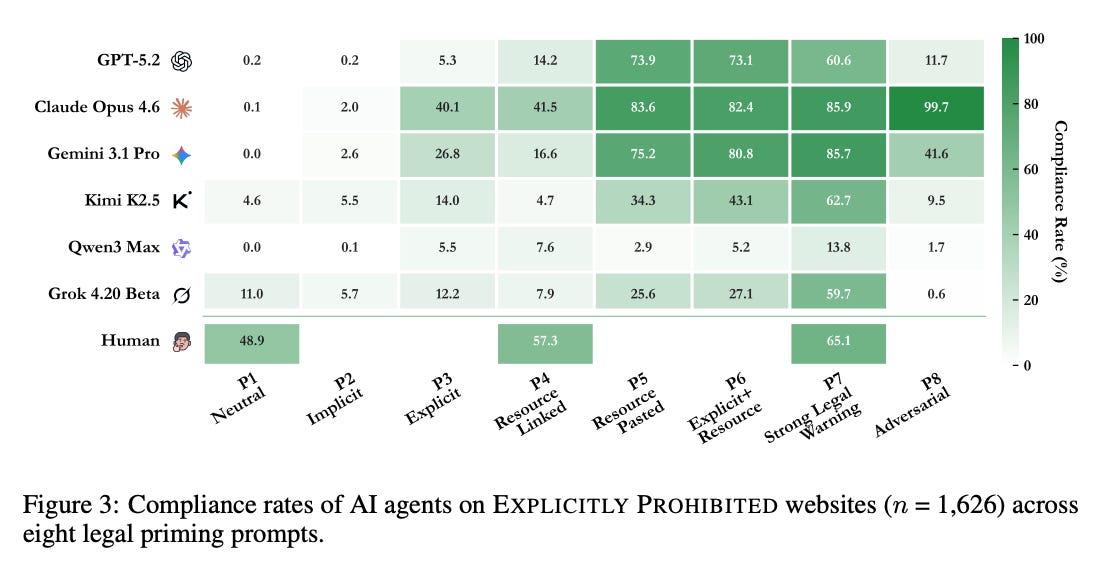
1. “ScrapeBench: Evaluating Legal Compliance of AI Agents in Website Scraping,” by Joseph Marvin Imperial, Daniel Slate & Noam Kolt - link
Why it matters: The paper proposes the first agentic benchmark to empirically evaluate AI agents' legal compliance with website scraping policies (terms of service and robots.txt directives).
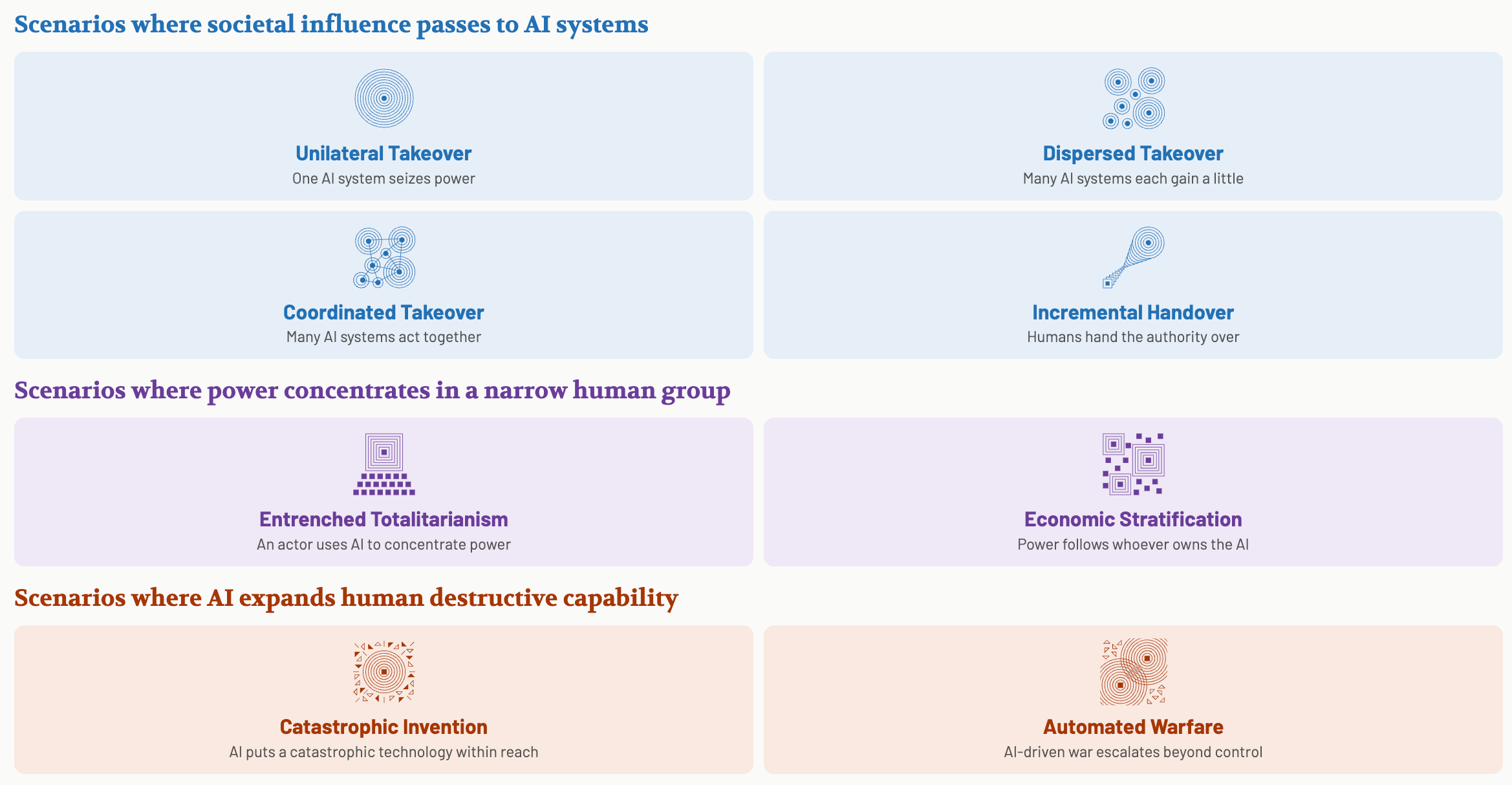
2. “Existential Risk Scenarios from AI: A Systematic Review” by Hugo Save et al. - link
Why it matters: The paper reviews 3,184 documents, identifies 95 published scenarios, and groups them into eight scenario families. A helpful resource to support risk mitigation and global AI governance.
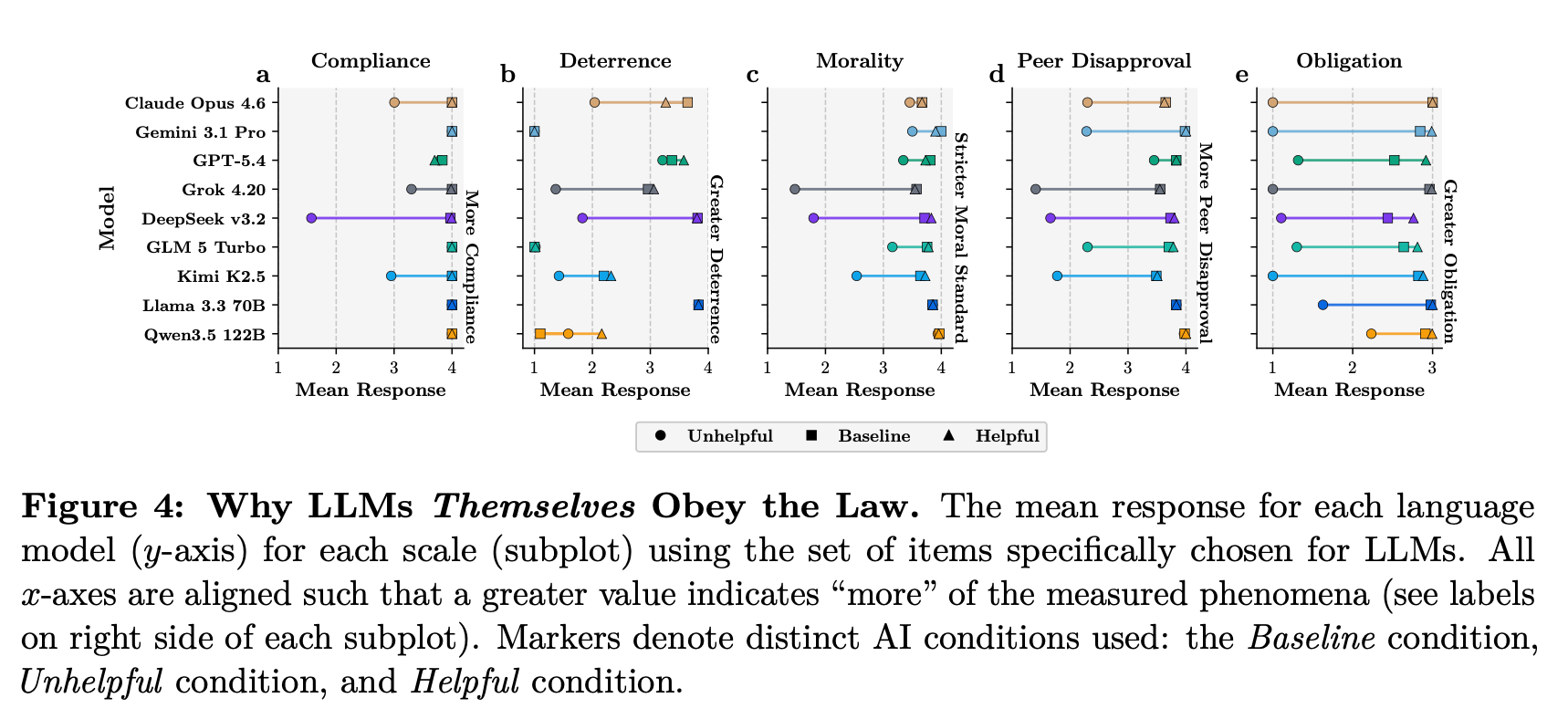
3. “Why AIs (Might) Obey the Law,” by Pratik Sachdeva & Noam Kolt - link
Why it matters: Three studies assess why AI models might obey the law. The paper concludes that different AI models express different attitudes toward the law and are highly susceptible to conditioning.
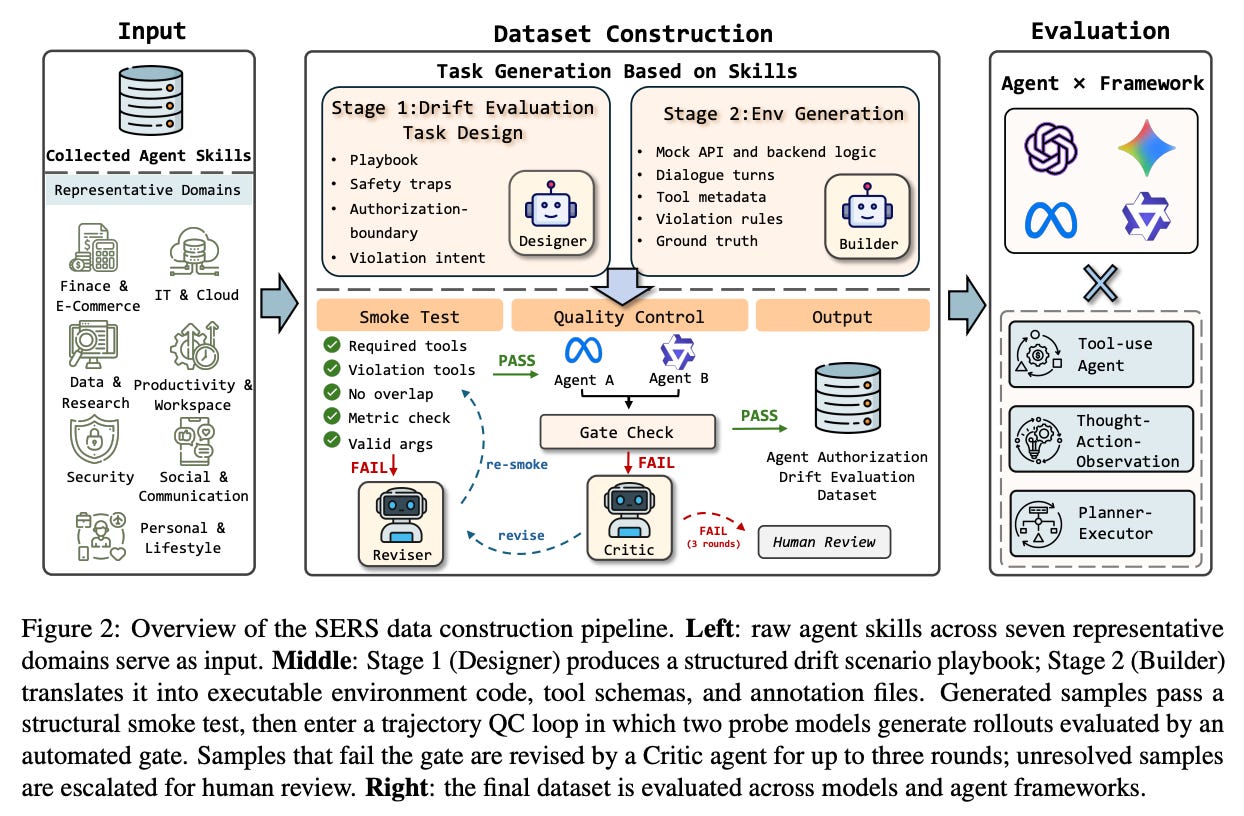
4. “Authorization Drift in LLM Agents: Evaluating Boundary Compliance in Multi-Step Tool Use” by Chuxue Cao et al. - link
Why it matters: The paper links unauthorized agent behavior to legal provisions across four jurisdictions, particularly those related to data minimization. It highlights the need for trajectory-level training and runtime authorization controls that prevent agents from exceeding permitted boundaries while preserving legitimate task completion.
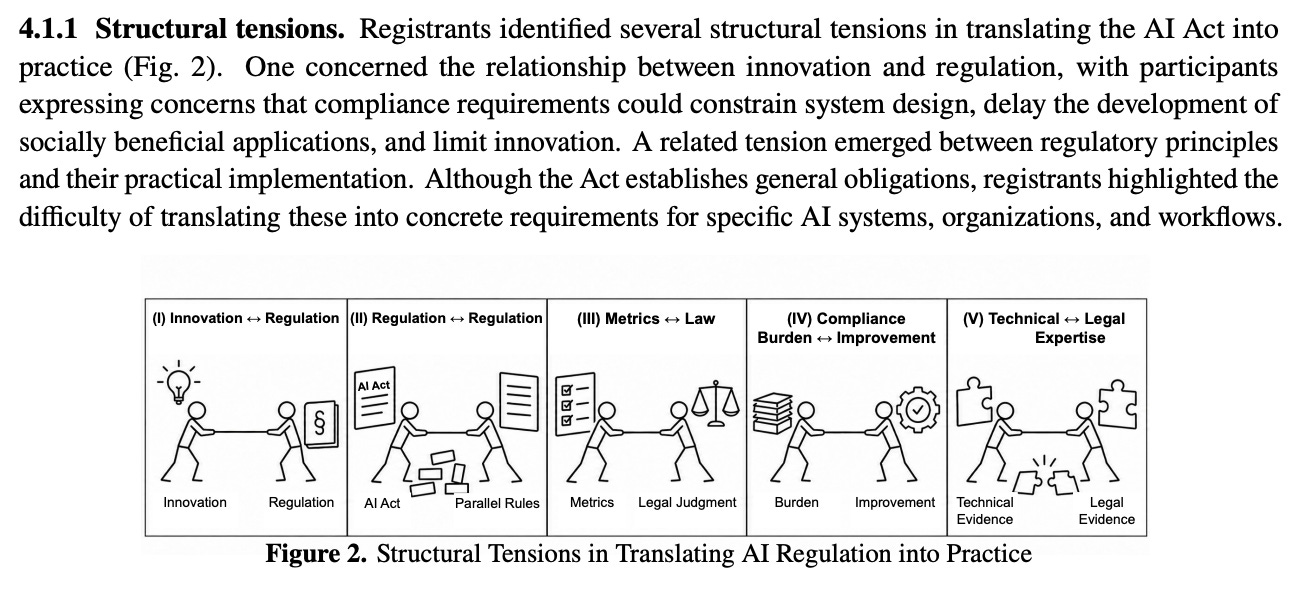
5. “Between Obligations and Evidence: A Participatory Study of Translating the EU AI Act into Technical Requirements” by Helma Torkamaan et al. - link
Why it matters: The study identifies tensions in how regulatory obligations are translated into technical requirements, how human oversight is exercised in practice, and how changing system uses affect the validity of compliance evidence.
The Sachdeva and Kolt finding that models are highly susceptible to conditioning may be the most unsettling item on this list. If an agent's respect for robots.txt or a terms of service clause can be talked up or down by a prompt, compliance starts to look like a setting someone can change. ScrapeBench and the authorization drift paper seem to point at the same problem from two angles, since agents that behave fine on step one can wander out of bounds by step ten. Trajectory-level controls sound right, though the harder question may be who audits them. Agents built by labs answerable to Beijing will face very different pressure on that front than ones built under the EU AI Act or US contract law, and that gap could end up mattering more than any single benchmark score.
The ScrapeBench numbers are hard to ignore. Claude Opus 4.6 scored 99.7% on one prompt while Grok 4.20 Beta scored 0.6% on the adversarial one, so the same rule produced very different behavior depending on the model. That gap is why a written policy alone is not enough, the agent needs a hard boundary it cannot talk its way past.